Lobster Issue 46 (Winter 2003)
Intelligence and the War in Bosnia 1992-1995 Cees Wiebes Munster, Germany: Lit Verlag, Studies in Intelligence History, 2003 ISBN 3-8258-6347-6 p/b, 34.9 euros, $39.95 from Amazon. The publisher declined to send me a review copy but I read one chapter sent by e-mail from the author. This isn’t my field but it seems […]
Lobster Issue 55 (Summer 2008)
[…] in some ‘lesser publication’ later in the day.(1) And it wasn’t MI6. This assumes that, as former MI6 chief Sir Richard Dearlove would have us believe, Secret Intelligence Service service personnel follow the rules. A less trusting Michael Mansfield QC, for Mr Al Fayed, suggested ‘there are things countenanced within the service that do […]
Lobster Issue 24 (December 1992)
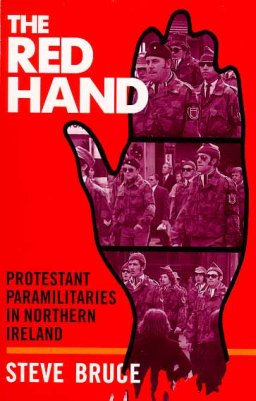
[…] James Miller, the mid-1970s version of Brian Nelson. Take a bow MI5, for penetrating the UDA completely, twice getting an agent into the role of UDA ‘ intelligence officer’. Bruce, a Professor of Sociology at the University of Aberdeen, who had previously worked for over a decade at Queen’s University, Belfast, cautions the reader […]
Lobster Issue 32 (December 1996)
[…] not study, the subject. The USAF information pack refers inquirers to various non-governmental UFO research organizations which are closely monitored, and, at times, directed by various US intelligence and military agencies.(1) The men from the Ministry In Britain, Air Staff 2 (a), a desk in the Ministry of Defence, manned by junior civil servants […]
Lobster Issue 83 (Summer 2022)
[PDF file]: The ‘Tsarevich’ Nikolai Chebotarev and his links to British Intelligence. Peter Luce The recent review of Kevin Coogan’s The Spy Who Would be Tsar: The Mystery of Michal Goleniewski and the Far-Right Underground1 prompted me to re-read the work of another claimant to the Russian imperial succession. In 1998 Michael Gray, a former Technical […]
Lobster Issue 66 (Winter 2013)
[PDF file]: Understanding Shadows The Corrupt Use of Intelligence Michael Quilligan Atlanta (GA): Clarity Press, 2013, $21.95 (USA), p/b The author is or was – it isn’t clear which – one of the writers for Intelligence, the Paris-based fortnightly intelligence newsletter1 (and this has an introduction by Intelligence’s founder/editor, Olivier Schmidt.) In the early years of […]
Lobster Issue 48 (Winter 2004)
A Pretext for War: 9/11, Iraq, and the abuse of America’s intelligence agencies James Bamford, New York: Doubleday, 2004, h/back, $26.95 Ghost Wars: The Secret history of the CIA, Afghanistan and Bin Laden, from the Soviet invasion to September 10, 2001 Steve Coll New York: Penguin, 2004, h/back, $29.95 These books cover some […]
Lobster Issue 55 (Summer 2008)
[…] of the judiciary from the state executive being almost entirely eroded. The criminalisation of foreigners and of dissent increased, beginning with the Asylum Act of 1993 and Intelligence and Security Act of 1994, after which rival law enforcement agencies began competing with the police.(12) Although MI5 made much of its anti-fascist credentials in the […]
Lobster Issue 53 (Summer 2007)
[…] knows what it is doing about civil disorder. It is fishing. As the facts come out, they often seem to fit into the standard pattern of poor intelligence and some mistreatment of those arrested. We remain convinced that miscarriages of justice are likely in this mismanaged chaos. We have noted the signs of a […]
Lobster Issue 53 (Summer 2007)
[…] but is incapable of turning the analysis round: what has US foreign policy persistently done in the past? Who says the CIA and the assortment of other intelligence organisations stopped what they were doing just because the NED was put in front of them as a fig leaf? Might these criticisms also apply to […]