Lobster Issue 34 (Winter 1997)
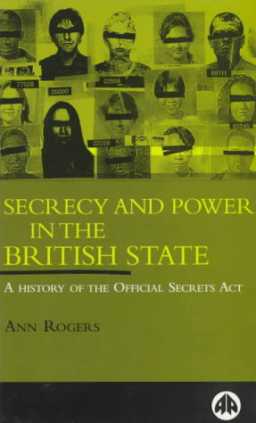
[…] pp. 8-9: ‘The interplay between policy-making, political power and its expression in the different institutional frameworks of the British state — the Cabinet, Whitehall, the security and intelligence services and so on — gives rise to national security policies that exhibit identifiable characteristics based on social class and political beliefs …..British policy-makers have entrenched […]
Lobster Issue 54 (Winter 2007/8)
[…] recruiting sergeant for al-Qaeda. Where Naomi Klein has gone one stage further is in grasping how the drum-beat of still further wars is being fueled by poor intelligence derived from ‘interrogations’ (i.e. torture) carried out by private intelligence consultants in privately run torture centres outside the US. This complements the cherry-picking of the best […]
Lobster Issue 38 (Winter 1999)
[…] the political and social damage inflicted on the then British ruling elite by the various defections, and the revelations surrounding them, surpassed in the end any immediate intelligence damage sustained during their time in place. The British ‘culture of secrecy’ was badly damaged. Riley touches on this theme but doesn’t develop it. Did the […]
Lobster Issue 50 (Winter 2005/6)
[…] much on the right of that party, connived in the creation of the Provisional IRA in the early 1970s. Their collaborators included members of G2, Irish Army Intelligence. They particularly included Captain John Kelly – whose memoirs to this effect were subsequently self published and contents upheld in an Irish Court (Dillon, 1989; 1-24). […]
Lobster Issue 32 (December 1996)
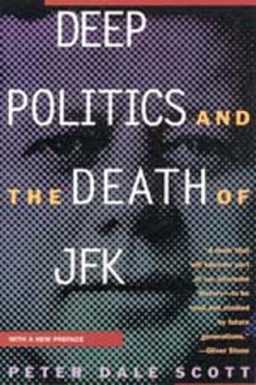
[…] world: ‘Among the ‘deep’ or repressed sociological features of our universities and cultural life are the following facts published by the Church Committee in 1976: The Central Intelligence Agency is now using several hundred academics, who, in addition to providing leads and occasionally making introductions for intelligence purposes, occasionally write books and other materials […]
Lobster Issue 52 (Winter 2006/7)
[…] On both sides of the Atlantic, Iraq has demonstrated the primacy of politicians. We saw opposition to the attack on Iraq from sections of the Anglo-American military, intelligence agencies and diplomats, accompanied by the biggest campaign of leaks of classified information I can remember. Yet nothing happened. British participation in the invasion was not […]
Lobster Issue 54 (Winter 2007/8)
[…] regime’s links to Al Qaeda and the existence of WMDs. Why did he believe claims which a large chunk of his colleagues and most of the world’s intelligence services didn’t, and which could be seen to be false by asking that nice Mr Google? ‘I took these stories seriously because they were corroborated by […]