Lobster Issue 48 (Winter 2004)
[…] deal with corruption and ineptitude. In their mission, they operate with minimal democratic accountability as their trans-national operations bring them into ever closer association with security and intelligence services with whom they increasingly share the same ideology of global threat. They are, in short, constructing the basis for the new European, indeed ‘Western’, Security […]
Lobster Issue 56 (Winter 2008/9)
[…] member of the American Psychological Association’s taskforce on psychologists’ involvement in interrogations and she’s recently gone public about some of the confidential discussions with the military and intelligence people involved in the taskforce ……. ’(1) But there are other Arrigos; Jean Maria is one of three sisters. There is a Dr. Sue Arrigo, who […]
Lobster Issue 56 (Winter 2008/9)
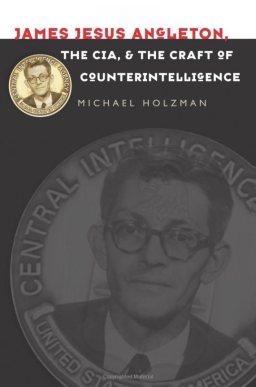
James Jesus Angleton The CIA and the craft of counter intelligence Michael Holzman Amherst: University of Massachusetts Press, 2008, p/b, $28.95 Of all the figures in the Anglo-American spy world that we have been made aware of in the last 40 years, James Jesus Angleton was the most glamorous: the chain-smoking, the orchid-growing, the […]
Lobster Issue 32 (December 1996)
[…] of new material on the assassination of the sixties and related events. It contains pieces on William Pepper’s excellent book Orders to Kill (reviewed above); Garrison; military intelligence in Dallas; Cuban intelligence and JFK – the Cubans’ viewpoint; a report on the Coalition’s annual conference; updates on material generated by FOIA requests and by […]
Lobster Issue 45 (Summer 2003)
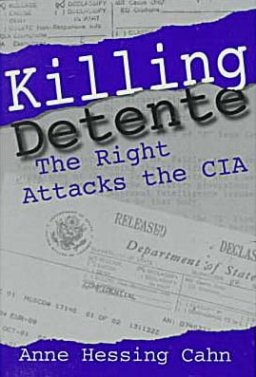
[…] B’ episode of 1976/7, the subject of this book, which saw a group of the CIA’s critics on the right being given access to the Agency’s raw intelligence data, was one of the key moments in the counter-attack against detente with the Soviet Union in the 1970s. With the collapse of the Soviet empire, […]
Lobster Issue 49 (Summer 2005)
Douglas Macleod Edinburgh: Birlinn; £9.99, p/b Twenty years ago, before the current torrent of information about ‘the secret world of intelligence’, we were scratching about looking for clues to our secret history. One was given in the John Loftus book The Belarus Secret (Penguin 1983) which contained a single reference to the Scottish […]