Lobster Issue 57 (Summer 2009)
[…] the manufacturing base after the Thatcher governments had a go at it. This country’s fishing industry was largely wrecked as part of the price of entering the EEC in 1972. The steel industry was ‘rationalised’, and, like coal, was mostly closed in the 1980s. Agriculture is being reduced under ‘set aside’ schemes and another […]
Lobster Issue 56 (Winter 2008/9)
[…] of 0.5 of a percentage point on 21 March. There was a warm international reception, too, with ‘relief and satisfaction’ being expressed by the OECD. (38) The EEC Six called the Budget ‘courageous’, with the European Commission forecasting a British balance of payments surplus by the end of the year.(39) The IMF was said […]
Lobster Issue 53 (Summer 2007)
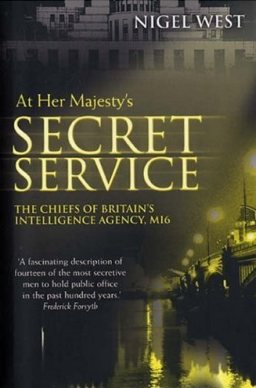
[…] to me how any foreign secretary could know if the spooks decided to deceive him/her. There are, as always, interesting snippets. ‘When Britain’s application to join the EEC was finally accepted he was allowed to place some of his personnel on the personal staffs of British commissioners, making George Thomson’s private office in Strasbourg […]
Lobster Issue 50 (Winter 2005/6)
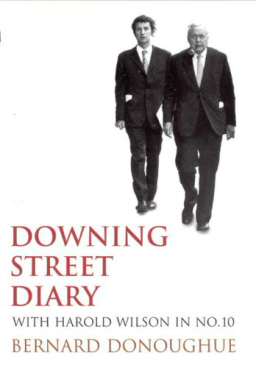
[…] at a time when the Wilson governments were having a difficult time on almost any front you care to mention: Northern Ireland, inflation, unions, rising unemployment, the EEC referendum – not to mention the smear campaigns and various psy-ops running against them. As the closest person to Wilson, what she did mattered. If Donoughue […]
Lobster Issue 50 (Winter 2005/6)
[…] material shows no signs of drying-up and the sales remain constant. Still unmentionable Michael Cockrell’s entertaining look back at the 1975 referendum on membership of the then EEC, ‘How We Fell for Europe’ (BBC2, 4 June 2005) got most of it right but flunked the role of the secret state in it. Of IRD’s […]
Lobster Issue 50 (Winter 2005/6)
[…] De Gaulle, unable to conduct any indepedent foreign policy at all. Frankly, this is rubbish on the basis of the Treaty of Rome.’ From this mildly pro- EEC position Gaitskell, in his final conference speech on 3 October 1962, switched to saying membership would ‘mean the end of a thousand years of history’. The […]
Lobster Issue 49 (Summer 2005)
[…] in the 1980s!) Nor does he mention Northern Ireland. Starting his historical sketch in 1979 he can omit the biggest post-war domestic lie, Heath’s claim that the EEC was merely a free trade area, and the events of the 1973-77 period (whose effects were still felt in the 1980s) when the Tory right, briefed […]