Lobster Issue 24 (December 1992)
[…] of Information searches and investigative journalism produced evidence that both Permindex and CMC were penetrated by the CIA and probably used for bank-rolling both operations and anti- Communist organisations overseas, especially in Europe. DiEugenio goes a step further and suggests that both could be linked to the ‘Gladio’ network set up in post-war Europe […]
Lobster Issue 42 (Winter 2001/2)
[…] details the U.S. role in Indonesia’s deadly purge of ‘ communists’ in the 1960s. The volume concerned also points out that the US embassy supplied lists of communist leaders to the Indonesians who were trying to destroy the PKI. The embassy said the lists were ‘……apparently being used by Indonesian security authorities who seem […]
Lobster Issue 47 (Summer 2004)
[…] The Hidden Face of the Labour Party, a large tabloid-style pamphlet warning of the penetration of the Labour Party by ‘communists’ and, in the 1979 version, by ‘communist’ and Trotskyist groups. Contemporary reports suggested these pamphlets had been distributed by the million. I met him in 1987. He was a very charming toff. I […]
Lobster Issue 52 (Winter 2006/7)
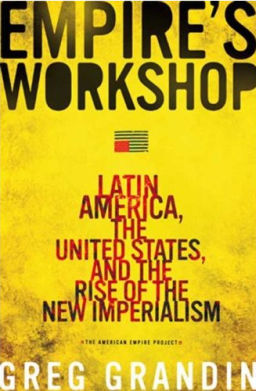
Greg Grandin New York: Metropolitan books, 2006, $25.00 Reviewing a biography of Harold Laski in 1953,() the historian A. J. P. Taylor remarked on ‘the dilemma of our times’: that ‘no-one who believes in liberty can ever work sincerely with communists, or trust them, yet no-one who has socialism in his bones can ever […]
Lobster Issue 33 (Summer 1997)
[…] to deny the 1948 elections to the Communists. By 1950 the Mafia again controlled Sicily. The CIA was also paying the Corsican Mafia in Marseilles to undermine Communist influence with striking workers. These Mafia syndicates were sufficiently well-protected that in 1951 they opened their first heroin lab. By 1965 there were two dozen labs […]
Lobster Issue 46 (Winter 2003)
[…] Cynthia Street. 6 Cynthia Street was the headquarters of Democratic Left, which had been the beneficiary of the final struggle between the hardline ‘tankies’ and the euro- communist revisionists of the old Communist Party as the latter’s limited national influence collapsed under the enormous strain of dealing with the unravelling of the Soviet Empire. […]