Lobster Issue 46 (Winter 2003) £££
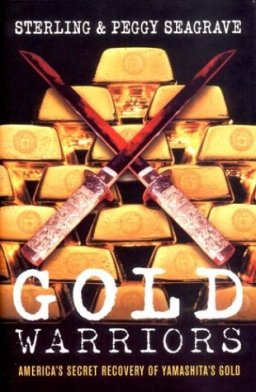
Sterling and Peggy Seagrave London: Verso, 2003, h/b, £17 The story in brief: before and during WW2 Japan stripped the countries it occupied of its transportable wealth — gold and other precious metals, diamonds, cash, bonds and so on. As the war turned against them this was buried in various locations, many of … Read more
Lobster Issue 10 (1986) £££
Publications The Andropov Deception John Rossiter (Sherwood Press, London 1984) ‘John Rossiter’ is Brian Crozier, long-time asset of British and American intelligence agencies. (see Times 29 October 1984), and this is quite the worst – and worst written – thriller I’ve read (even worse than The Spike). Rather like The Spike, The Andropov Deception is … Read more
Lobster Issue 51 (Summer 2006) £££
Tons of documents and tape recordings recovered from an old manor house in Lancashire reveal the true depths of corruption in English provincial life at the end of the twentieth century. Owen Oyston was the British Labour Party’s biggest private financial contributor in the Thatcher years. The millionaire owner of radio stations and glossy magazines … Read more
Lobster Issue 19 (1990) £££
More, please In an account of his career as a writer of spy fiction (Guardian 16 November ’89) John Le Carré referred to the hostile reaction received by his (unnamed) second book, presumably The Looking Glass War: ‘Critics and public alike rejected the novel, but this time the spies were cross. And since the British … Read more
Lobster Issue 55 (Summer 2008) £££
Some reflections on the life, times and politics of Sir James Goldsmith The Clermont Set The Clermont Club was opened in 1962 by John Aspinall after the gaming laws had been liberalised by the MacMillan government.(1)During the 1950s Aspinall built up a personal fortune providing premises for exclusive gambling sessions in London, much of which … Read more
Lobster Issue 44 (Winter 2002/3) £££
John Newsinger Basingstoke (UK): Palgrave; 2002 hb £47.50 To my knowledge this is the first account of Britain’s post-1945 colonial wars written from a radical left stand-point. By which I don’t mean that it is a load of left rhetoric – that is entirely absent; but the assumptions about legitimacy and right are on … Read more
Lobster Issue 46 (Winter 2003) £££
Gordon Carr Christie Books, 2003 p/b, £34 (inc. p and p) from www.Christiebooks.com This is a reprint of Carr’s 1975 book on the Angry Brigade (AB), done in an A4 format paperback, to which Stuart Christie has added dozens of photographs of the participants, the scenes of the various bombings, magazine covers and other graphic … Read more
Lobster Issue 10 (1986) £££
See note (1) David Phillips, the former CIA officer considered by the Select Committee on Assassinations as a possible candidate for the true identity behind the cover name ‘”Maurice Bishop” -(2)- reacted strongly when this book was published in the summer of 1980. He contacted top executives in newspapers and television, making himself available to … Read more
Lobster Issue 31 (June 1996) £££
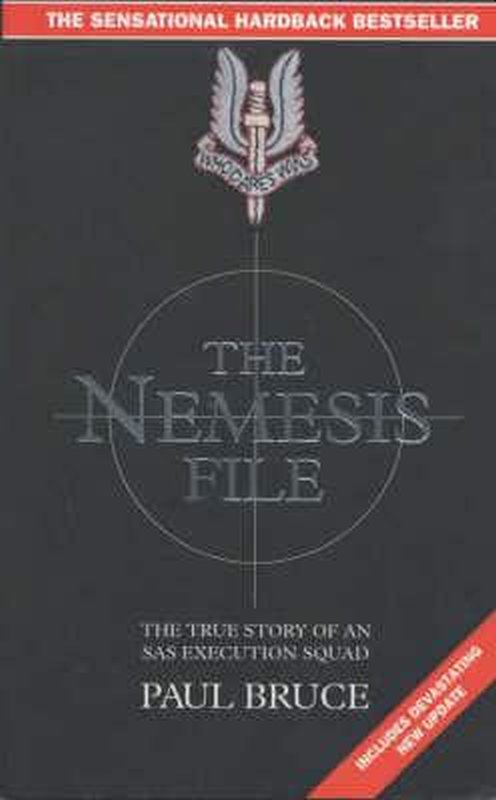
Paul Bruce Blake Publishing, London 1995, £15.99 The pseudonymous author claims to have been a member of a clandestine 4-man SAS squad which assassinated a couple of dozen alleged IRA members in the 1971-3 period in Northern Ireland. The author’s taped and transcribed memories are intercut with sections from an uncredited ghost writer – apparently … Read more
Lobster Issue 51 (Summer 2006) £££
In March a member of the SAS resigned from the British Army, stating, inter alia, that he ‘didn’t join the British army to conduct American foreign policy’. (1) My initial reaction was: well, what did he think he would be doing? Where is this independent British foreign policy he thought he was going to serve? … Read more