Lobster Issue 37 (Summer 1999)
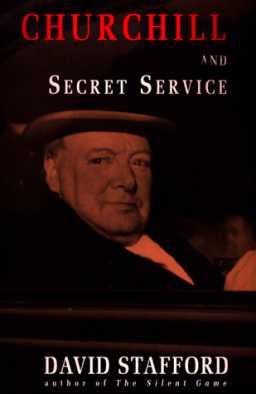
[…] Official Secrets Act. The book covers a number of issues relating to the Second World War. The importance of Ultra, the activities of SOE, Churchill’s attitude towards MI5, the close cooperation between the British and Irish secret services, the assassination of Admiral Darlan and the rise of the Anglo-American intelligence alliance are all covered. […]
Lobster Issue 43 (Summer 2002)
[…] scrap one computer made unusable by one — and, by a strange coincidence, they started arriving just after he signed a contract to write a book about MI5. Add this to Malcolm Kennedy’s problems described in previous issues and again in Jane Affleck’s pieces here, and the attempt to smear Robert Henderson, described in […]
Lobster Issue 49 (Summer 2005)
[…] Information Act via s23…..It provides an absolute exemption for information that was supplied directly or indirectly, or relates to the following security bodies: the Security Service ( MI5), the Secret Intelligence Service (MI6), GCHQ, Special Forces …the National Criminal Intelligence Service…a certificate from a minister is all that is needed for the exemption to […]
Lobster Issue 54 (Winter 2007/8)
[…] forces won and the consensus formed that Angleton was a nutter who did terrible damage to the CIA and, by extension, to allied intelligence agencies such as MI5 and MI6.(6) This anti-Angleton consensus is challenged by his former ally Begley, who reanalyses the Nosenko affair and tries to show the reader that their – […]
Lobster Issue 37 (Summer 1999)
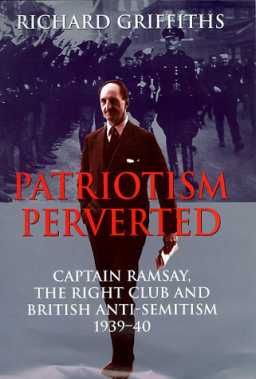
[…] Right Club membership list may not even have known they were on it. The problem with this analysis is that any MP or public figure questioned by MI5 and the Special Branch in 1940 (facing potential treason charges which carried the death penalty) about their presence in Ramsay’s address book would have indicated surprise, […]
Lobster Issue 54 (Winter 2007/8)
[…] same Ken Livingstone who supported Gerry Healy and sat with Alex Mitchell and Corin Redgrave on the editorial board of Labour Herald. Livingstone made the charge that MI5 had engineered Healy’s expulsion from the WRP as recently as 1989. See for example Robert Reiner, The Politics of the Police (third edition, Oxford, Oxford University […]
Lobster Issue 36 (Winter 1998/9)
[…] cyberspace. Its website address is: http://www.sp.nl/spectre/ Notes from the Borderland Issue 2 of Larry O’Hara’s magazine appeared in late October. It includes: long essays by O’Hara on MI5 (after Shayler etc) and the hanky-panky in Leeds over the last few years between the BNP, AFA et al; Robin Whittaker on ‘A Method of Inducing […]
Lobster Issue 48 (Winter 2004)
[…] account. Christie knew a couple of the AB people slightly, his circle butted onto theirs at a couple of places, and you can imagine how the SB/ MI5 mind viewed that. Just to make sure, they planted the detonators ‘found’ in his car. It appears, indeed, that, with the exception of Christie (who was […]