Lobster Issue 46 (Winter 2003)
[…] just isn’t sourced to anything of substance and I think the quote is a fabrication. Bilderberging Who got invited to the May 2003 Bilderberg meeting? From New Labour came Philip Gould and Ed Balls. Balls I can understand: he’s the organ-grinder to Brown’s monkey. But why Gould? What’s he going to tell them? How […]
Lobster Issue 54 (Winter 2007/8)
[…] Outraged, the BBC’s Newsnight organised a studio debate. It did not explain that the person supporting the chairman of the Foreign Affairs Select Committee was a leading Labour spin-doctor, Matthew Freud, using the pseudonym Oliver Kamm.On a different subject, presenter Jeremy Paxman referred to ‘surviving a sustained barrage of astonishingly threatening lawyers’ letters and […]
Lobster Issue 41 (Summer 2001)
Veterans of a notorious Miami-based CIA dirty tricks team have boasted that they were helped by British Intelligence officers to sink an East German ship loaded with British-built Leyland buses. Three years after the CIA-sponsored Bay of Pigs invasion of Cuba, the MV Magdeburg was hit by a Japanese ship in the River Thames. When […]
Lobster Issue 49 (Summer 2005)
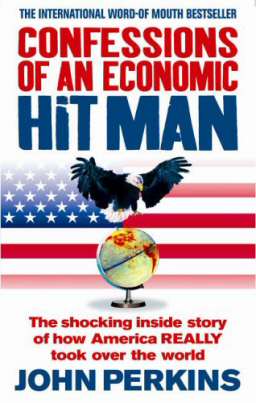
John Perkins San Francisco: Berrett-Koehler, 2004, $25.95, h/b ( £14.50 from Amazon.co.uk in January 2005) This is an interesting book, though it is not quite as interesting as it sounded in the interviews with the author which are on the Net. The key material is Perkins’ account of working as an economist for an […]
Lobster Issue 49 (Summer 2005)
[…] the Democrats willing to take before they conclude that attack may be the only form of defence? Notes I haven’t read the party’s history before 1960 and don’t know. A great deal of this critique of the Democrats – fear of the spooks and the media, for example – applied to the pre-Blair Labour Party.
Lobster Issue 24 (December 1992)
[…] diverse as Rudolf Hess in Britain, the peace plots of 1940, and black magic circles in South Wales (those three all linked together, incidentally); Blunt and Burgess; Labour Party politicians, war-time diplomacy and the sexual habits of Mrs Simpson and a great many others; the rise of Ian Paisley, Kincora and John McKeague etc. […]
Lobster Issue 56 (Winter 2008/9)
[…] the Cold War. Angleton became very important within the CIA. Not only head of counter-intelligence, but also CIA liaison with the Israelis and the FBI; he ran labour operations in Europe with Jay Lovestone; took responsibility for the surveillance of the American opposition to the Vietnam War; and, finally and fatally for his career, […]